Introduction
Solar PV systems are designed to provide reliable renewable energy for many years, helping homeowners lower electricity bills while reducing their environmental impact. However, even the most advanced solar installations can experience gradual changes in performance due to ageing components, environmental conditions, or electrical faults. A professional Solar Panel Health Check helps identify these issues early, ensuring the system continues to operate safely, efficiently, and at its expected performance level.
Many performance problems develop gradually and may not be immediately visible to homeowners. A system may continue generating electricity while producing less energy than it should, reducing overall efficiency and financial savings. Regular health checks allow qualified engineers to assess every part of the installation, identify hidden issues, and recommend any maintenance required to keep the system performing at its best.
Understanding Why Performance Can Decline
Solar panels are built to withstand changing weather conditions and provide dependable energy generation over many years. However, long-term exposure to wind, rain, temperature fluctuations, and environmental debris can gradually affect overall system performance.
In addition to natural ageing, electrical components such as inverters, connectors, and cabling may also experience wear over time. These issues often develop slowly, making them difficult to detect without professional inspection.
Regular health checks provide a structured assessment of the entire system, helping to ensure that small performance changes are identified before they begin to affect energy production.
Maintaining this level of oversight supports more reliable and efficient long-term operation.
Identifying Hidden Electrical Issues
Many solar PV systems continue operating even when certain electrical components are no longer performing efficiently.
Problems such as loose connections, damaged wiring, inverter faults, or declining electrical performance may reduce energy generation without causing a complete system shutdown.
Professional engineers use specialist testing equipment to assess the electrical performance of the installation and identify issues that may not be visible during a basic visual inspection.
A comprehensive health check may identify:
- Electrical connection faults
- Inverter performance issues
- Voltage irregularities
- Wiring deterioration
- Reduced power output
Identifying these issues early allows repairs to be completed before they affect overall system reliability.
Monitoring Overall System Performance
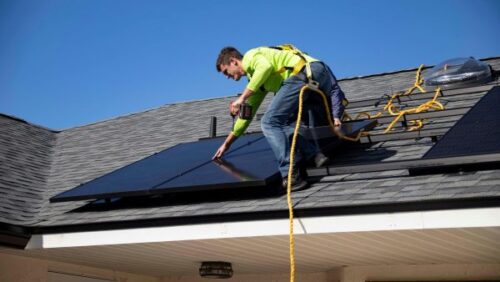
A solar PV installation functions as a complete system, with every component contributing to overall efficiency.
While the panels capture sunlight, inverters convert electricity, safety devices protect the system, and electrical connections ensure power is delivered effectively throughout the property.
Professional health checks evaluate how these components work together to ensure the installation continues operating as intended.
Engineers assess:
- Overall energy generation
- Inverter operation
- System communication
- Electrical safety
- General operational performance
This complete assessment provides homeowners with a clear understanding of how efficiently their solar PV system is performing.
Preventing Long-Term Efficiency Loss
Performance reductions often occur gradually rather than suddenly.
Without regular inspections, small efficiency losses may continue unnoticed for extended periods, reducing the amount of electricity generated each year.
Routine health checks help prevent this by monitoring system condition and identifying maintenance requirements before efficiency declines further.
Regular inspections support:
- Stable energy production
- Improved operational efficiency
- Reduced performance losses
- Better maintenance planning
- Greater long-term reliability
Taking a proactive approach helps homeowners continue receiving maximum value from their solar investment.
Supporting Better Financial Returns
One of the main reasons homeowners install solar panels is to reduce long-term electricity costs.
When system performance declines, electricity generation decreases, reducing the financial savings the installation can deliver.
Professional health checks help ensure that energy production remains as close as possible to expected performance levels throughout the system’s lifespan.
Maintaining efficient operation allows homeowners to maximise:
- Electricity generation
- Household energy savings
- Return on investment
- Long-term equipment value
- Renewable energy performance
This makes regular inspections an important part of protecting both financial and environmental benefits.
Providing Confidence in System Reliability
Homeowners often have limited visibility into the day-to-day condition of their solar PV installation.
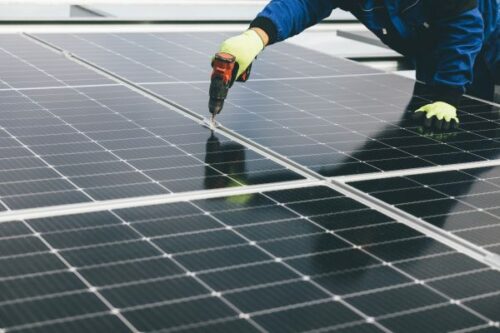
A professional health check provides reassurance that the system continues to operate safely while allowing qualified engineers to identify any emerging issues before they become more significant.
Routine inspections help homeowners feel confident that:
- The installation remains safe.
- Components continue performing efficiently.
- Energy production remains consistent.
- Future maintenance can be planned effectively.
- The system continues delivering long-term value.
This confidence allows homeowners to enjoy renewable energy with greater peace of mind.
Frequently Asked Questions (FAQs)
Why is a solar panel health check important?
A professional health check helps identify emerging performance issues, improve efficiency, and ensure that every component within the solar PV system continues to operate safely and effectively.
Can solar panels lose efficiency without obvious signs?
Yes. Many systems continue to produce electricity while gradually generating less power due to ageing components or developing electrical faults that may not be immediately apparent.
What components are inspected during a health check?
A professional inspection typically includes the solar panels, inverter, electrical wiring, mounting system, safety equipment, monitoring systems, and overall electrical performance.
How do health checks help protect my investment?
Regular inspections identify small issues before they become larger repairs, helping maintain energy production, extend equipment lifespan, and maximise long-term financial savings.
How often should a solar PV system receive a professional health check?
Inspection frequency depends on the system’s age, environmental conditions, and manufacturer recommendations. Periodic professional health checks help maintain long-term efficiency and reliability.
Conclusion
Regular solar panel health checks are one of the most effective ways to identify developing performance issues before they affect energy generation or system reliability. By assessing the complete installation, improving operational efficiency, and supporting proactive maintenance, professional inspections help homeowners maximise both the financial and environmental benefits of solar energy.
Through expert Solar Panel Health Check services, providers such as ServiceMy help homeowners maintain safe, efficient, and reliable solar PV systems that continue delivering dependable renewable energy for many years.
Read further home and interior tips on my blog.