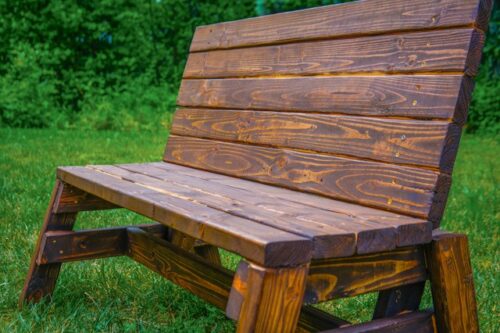
A built-in garden bench gives outdoor seating a fixed, dependable place in your garden and can serve you for many years. Freestanding patio sets face regular movement, winter storage and loose joints, while permanent seating becomes part of the garden’s structure. A carefully built timber bench can also solve awkward layout problems, turning an unused boundary or a narrow corner into a comfortable place for morning coffee, family lunches and summer gatherings.
The Appeal of Permanent Outdoor Seating
Fixed seating makes it easier to plan a sociable garden because the main layout stays in place throughout the year. An L-shaped bench can define a dining area, while a straight bench against a wall preserves valuable floor space on a small patio. These layouts naturally encourage conversation without filling the garden with separate chairs.
Although the latest patio furniture recommendations include weather-resistant materials, freestanding pieces still need cleaning, covering and occasional repositioning. A built-in bench avoids wobbling on uneven paving and won’t blow across the patio during rough weather. Timber also lets you tailor the seat depth and height to your household, instead of accepting standard furniture dimensions that may feel cramped or overly bulky.
Fastening Heavy Timber Planks Securely
A permanent bench will only last if its frame and fixings can cope with moisture, movement and repeated use. Start with pressure-treated structural timber and keep the lowest rails clear of damp soil. Where posts meet paving, use suitable post bases or spacers so water can drain away instead of collecting around the end grain.
For substantial timber joints, correctly sized coach screws provide a secure connection for the frame, seat supports and backrest. Choose galvanised or stainless steel fixings according to the bench’s exposure, and drill pilot holes to reduce the risk of splitting. The screw should pass well into the supporting timber without emerging through the other side.
Check that every frame is square before fitting the seat boards. Leave narrow drainage gaps between planks and seal freshly cut timber ends with an appropriate preservative.
Integrating Hidden Planters and Storage
A built-in bench can earn its footprint by doing more than providing somewhere to sit. Deep planters at each end create a finished look and can hold herbs, grasses or compact flowering plants. The best outdoor seating ideas often use planting to soften hard edges and make conversation areas feel sheltered.
Keep planter liners separate from the structural timber so wet compost doesn’t sit against the frame. Include drainage holes and direct excess water away from the bench base.
For storage, hinge one or more seat panels and add a supporting stay to prevent the lid from dropping. A ventilated compartment works well for empty plant pots, small hand tools and outdoor toys. Cushions need a properly weatherproof box, as airflow alone won’t protect fabric from prolonged damp.
Adding Textiles for Year-Round Comfort
Timber seating feels much more inviting with cushions, but the measurements matter. A seat pad around 5 to 8 cm thick usually provides enough comfort without raising the sitting position too far. Choose removable, washable covers made from outdoor fabric and use ties or discreet grip matting to stop them sliding.
During dry spells, add a few back cushions in colours drawn from nearby planting or painted doors. In colder months, quick-drying throws make the bench usable for a cup of tea without creating a large storage problem afterwards. Bring soft furnishings indoors overnight whenever heavy rain or frost is forecast.
An annual spring check keeps the whole arrangement looking cared for. Tighten loose fixings, smooth any rough patches and refresh the finish where water no longer beads on the timber. That small routine helps a well-built bench remain a reliable part of the garden long after lightweight patio furniture has been replaced.