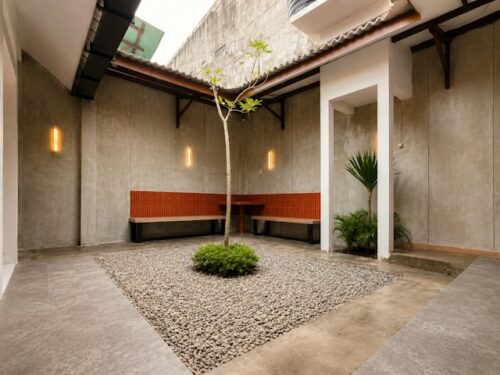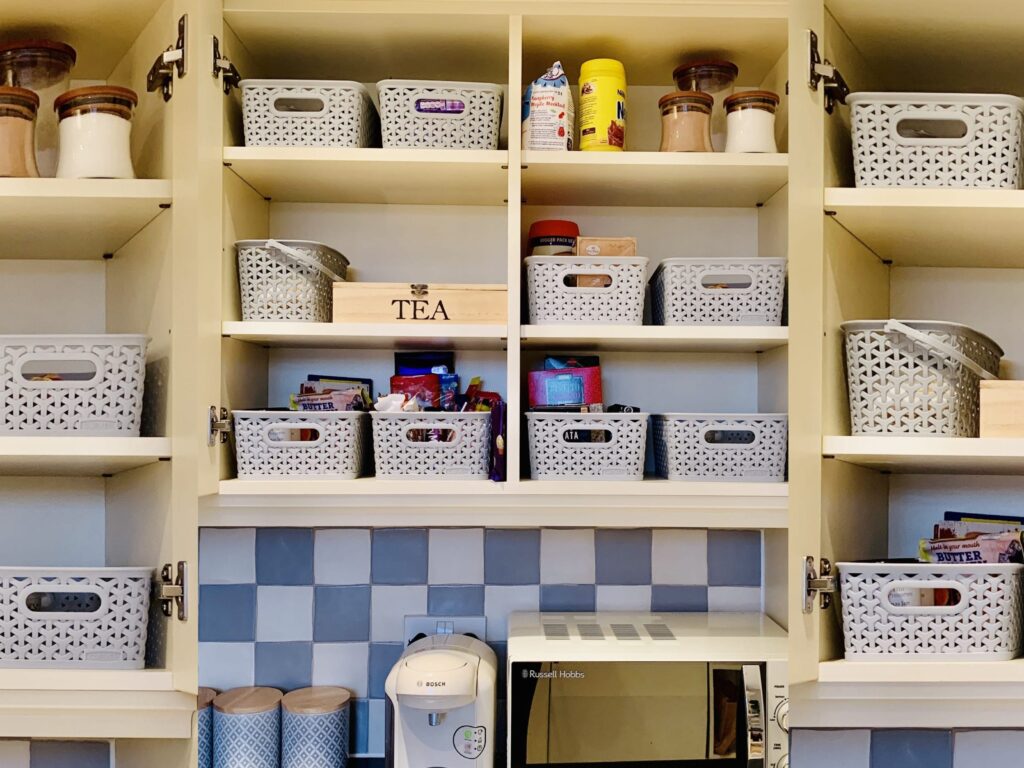
A pared-back outdoor living area can make even a modest garden feel calmer, larger and easier to use. The trick is to give every material, plant and piece of furniture a clear purpose. That doesn’t require an empty patio or a costly redesign. Careful editing, consistent finishes and practical zoning can bring order to a space while keeping it comfortable enough for everyday meals, morning coffee and relaxed weekends outside.
Embrace Simplicity in Exterior Design
Start by deciding how you’ll use the garden most often. A dining table needs a stable surface and room for chairs to move, while a quiet reading spot may only require one comfortable seat and a small side table. Giving priority to one or two activities stops the area becoming crowded with furniture that rarely gets used.
Modern exterior minimalism relies on simple forms, repeated materials and a strong connection between indoor and outdoor areas. Carrying the same visual cues through both spaces works well. You might echo the colour of an interior floor in your garden decking, then repeat its warm tone through planters or seating. Similar principles appear in modern minimalism and other interior design styles, where natural materials, neutral colours and functional furniture help create a calm, uncluttered look.
Keep decorative objects to a small, meaningful selection. One large planter will usually look more settled than five little pots competing for attention.
Architectural Lines and Clean Finishes
Strong lines give a minimalist garden its structure. Align the edge of a terrace with a door frame, continue a path towards a focal tree or position rectangular planters in line with the house. These small decisions create a sense of order without adding anything ornamental.
The principles of minimalist architecture also favour uncluttered forms and honest materials. Apply that thinking by concealing bins, coiling hoses neatly and choosing storage that sits flush against a wall. Plan cable routes for lighting before installing hard surfaces so wires don’t interrupt the finished scheme.
Pay close attention to joins and edges. Matching screws, straight cuts and narrow gaps have a noticeable effect on the overall result. If you’re combining paving, timber and gravel, limit each material to a clearly defined zone and use crisp edging to stop loose stones spreading.
Installing High-Grade Garden Decking
Decking can establish a level, useful area on sloping or uneven ground, but its performance depends on what sits beneath the visible boards. The supporting frame needs suitable ground clearance, reliable drainage and enough ventilation to release moisture. Follow the product supplier’s guidance for joist spacing and fixings, as these details vary between timber and composite boards.
Before choosing a finish, place samples outdoors for several days. Sunlight can reveal undertones that aren’t obvious indoors, while wet samples show how the surface may look after rain. Consider maintenance too. Natural timber may need periodic cleaning and coating, while composite products have different care requirements.
Board direction also shapes the view. Running boards away from the house can draw the eye into a short garden. In a wide plot, laying them across the space may make the seating area feel more generous.
Curating a Restrained Colour Palette
Choose three main tones: one for large surfaces, one supporting shade and one small accent. Warm timber, soft grey and muted green form an easy combination because the planting supplies much of the colour. For a sharper look, try charcoal planters against pale paving with natural wood to soften the scheme.
Use texture to prevent a limited palette from feeling flat. Ribbed pots, woven cushions and fine gravel can share similar colours while reflecting light differently. Outdoor fabrics should repeat shades already present in the house or garden, which helps separate areas feel connected.
Seasonal interest can still fit a restrained scheme. White spring flowers, green summer foliage and bronze grasses in autumn bring gradual change without introducing clashing colours. Repeat one plant in several places to establish rhythm, then leave some open ground around each group.
A minimalist garden feels finished when practical details disappear into the design. Store cushions close to the seating area, keep walking routes clear and leave enough open space for plants to reach their mature size. Once those details are resolved, the materials and greenery have room to stand out on their own.