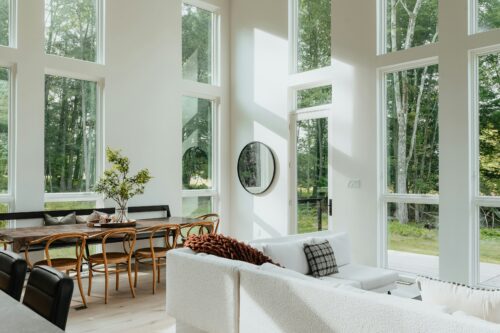
Natural light can make a room feel larger, calmer and more welcoming throughout the day. A successful light-filled interior still needs careful planning, since glare, heat and overlooked windows can quickly make the space less comfortable. The best results come from considering the path of the sun alongside glazing, finishes and privacy. Use the following ideas to create a serene home that feels bright without becoming stark or exposed.
Embrace the Principles of Daylight Design
Start by watching how sunlight moves through each room from morning to late afternoon. East-facing windows provide bright morning light, while west-facing openings can bring stronger sun and glare later in the day. South-facing rooms often receive light for longer periods, though the exact pattern varies with the season and surrounding buildings.
Effective passive daylighting systems distribute natural light deeper into a building through window placement, reflective surfaces and architectural features. At home, you can apply the same principles by keeping tall furniture away from windows and placing mirrors where they bounce light into darker corners. Before redecorating, photograph the room at three-hour intervals. This simple record will show where shadows gather and which areas need help.
Prioritize High-Performance Glass and Openings
Review the openings themselves when a room remains dim despite a pale color scheme. Larger glazed areas, slim frames and glazed internal doors can help daylight travel between connected spaces. Homeowners comparing doors, windows & joinery should consider appearance alongside insulation, security and the direction each opening faces.
Glass performance also matters. Low-emissivity coatings can reduce heat transfer while still admitting daylight, and solar-control glazing may suit rooms that become uncomfortably hot in summer. Guidance on daylighting with glass explains how glazing affects light, energy use and occupant comfort.
Check frame condition and seals before planning major alterations. Replacing damaged or heavily divided openings may deliver a noticeable improvement without changing the room’s footprint. For internal doors, a glazed design can brighten a hallway while preserving separation between rooms.
Select Calming Textures and Reflective Tones
Choose finishes that spread light gently instead of creating harsh reflections. Warm white, pale clay and soft gray walls work well because they brighten a room without giving it a clinical feel. Test paint samples on several walls and inspect them during the morning, afternoon and evening. A shade that looks balanced at noon may develop an unexpected blue or yellow cast later.
Texture keeps a light color palette visually interesting. Linen curtains, woven rugs and natural timber introduce depth while maintaining a relaxed mood. A satin paint finish can reflect slightly more light than a flat finish, making it useful in a dim corridor or kitchen.
Use highly polished materials in small doses. A mirror opposite or beside a window can expand the sense of space, but several glossy surfaces may cause distracting glare. Matte ceramics, lightly grained wood and softly textured upholstery create a calmer balance.
Balance Sunlight with Visual Privacy
Layered window treatments let you adjust privacy as daylight changes. Sheer curtains soften direct sun and obscure the view from outside during brighter hours. Add lined curtains, blinds or shutters when you need stronger coverage in the evening. Mounting curtains above the window frame and extending the pole beyond each side allows the fabric to clear more of the glass when open.
For street-facing rooms, privacy film on the lower portion of a window can screen passing views while leaving the upper glass clear. Top-down blinds offer similar flexibility because you can cover eye level and admit light above it. Avoid placing tall plants directly across the entire window, as dense foliage can block more daylight than expected.
Finish by sitting in the room at the time you use it most. Check for glare on screens, exposed sightlines and dark seating areas, then adjust one layer at a time. A well-positioned blind or mirror may be all that’s needed to turn bright daylight into comfortable, usable light.